
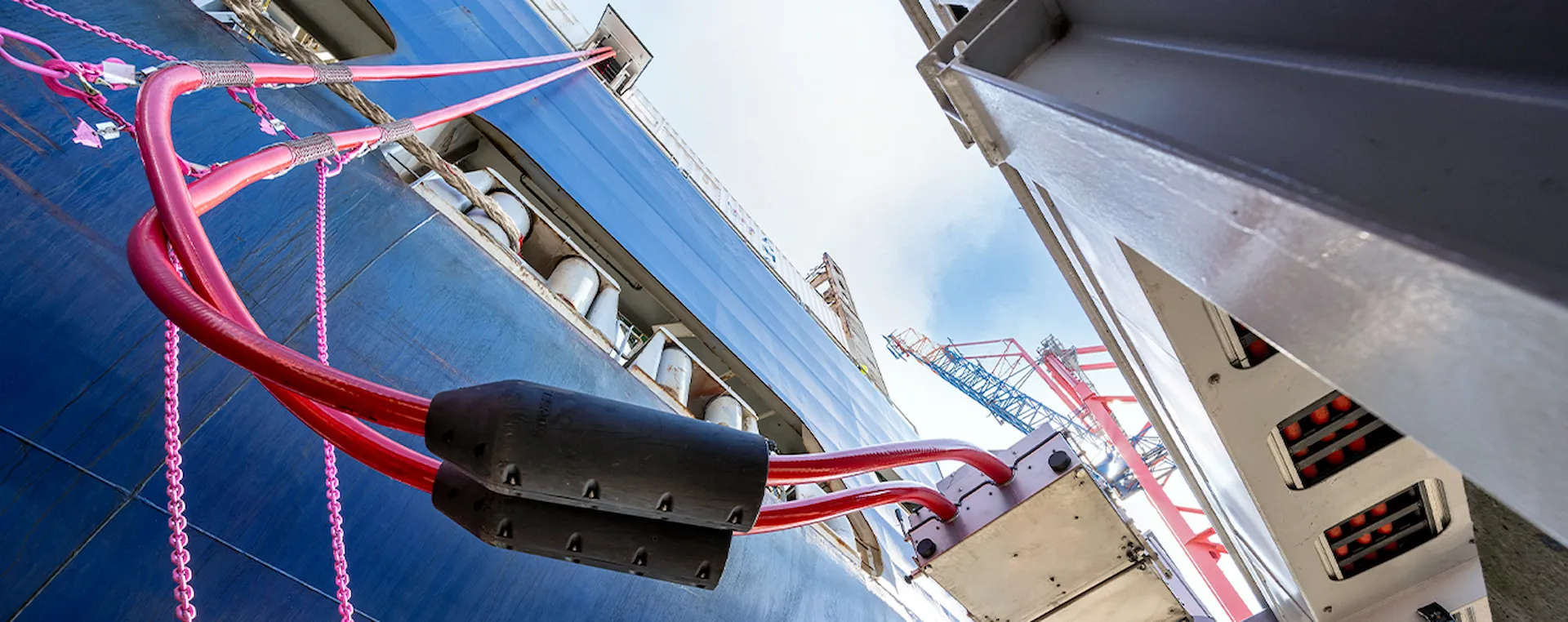
Shore power is transitioning from a voluntary energy-saving measure into a critical compliance requirement for shipowners, according to a new DNV whitepaper. Regulatory pressures in Europe, California, and Asia are increasingly linking shore power access to port-stay compliance and operating costs. While the technology cuts emissions, fuel use, and noise, uneven global deployment forces shipowners to make highly route-specific and berth-level decisions to avoid penalties.
DNV analysis shows that shore power could cut global fleet fuel-oil consumption for ships above 5,000 gross tonnage (GT) by 3.5%, saving about 9.24m tonnes of fuel and 29m tonnes of CO₂ annually. However, industry readiness remains fragmented, with connections on only 29% of cruise vessels, 20% of container ships, 7% of bulk carriers, and 1% of tankers. Port-side infrastructure is similarly limited, as only about 3% of global ports offer shore power, mostly concentrated in Europe, China, and the US.
Regulations are tightening to close these gaps, with FuelEU Maritime mandating shore power connections for container, passenger, and cruise vessels above 5,000 GT in key European ports by 2030. Non-compliance where shore power is available will trigger penalties, while similar measures in California and Asia link shore power capability to long-term trade viability. Investment choices must therefore target specific berth-level realities, particularly for complex sectors like tankers facing hazardous-area constraints and connection alignment issues.